
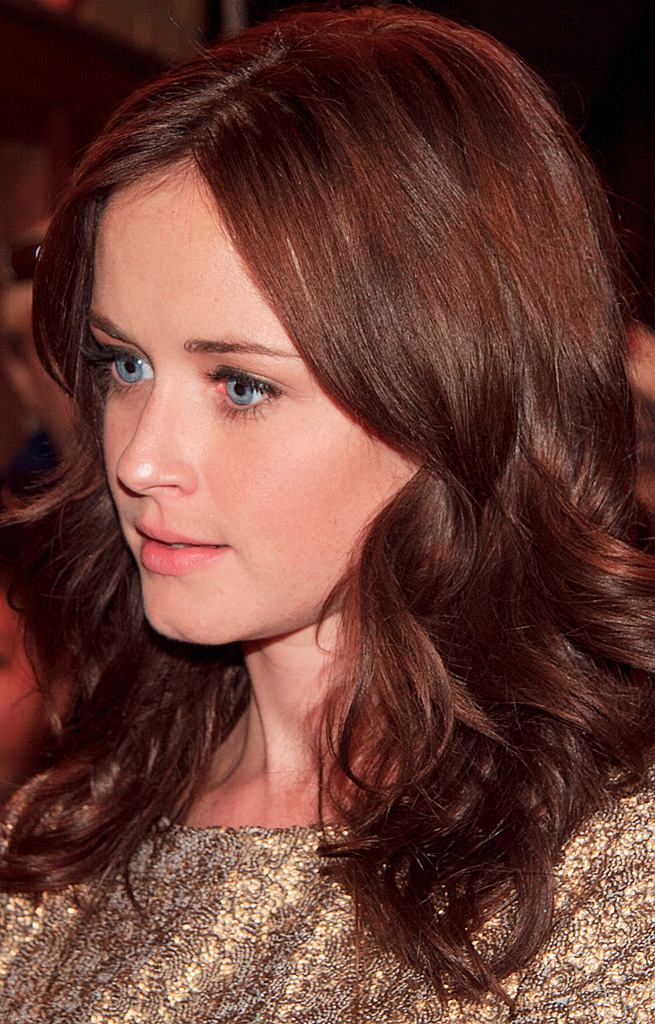
osha
⚠ This page contains complete spoilers for all seasons of Game of Thrones including the series finale.

Osha — Complete Game of Thrones Character Guide

Wildling Spearwife · Protector of House Stark · Free Folk
Wildlings / Free Folk Seasons 1–3, 6 Grey Alignment Status: Dead

Character Data

Full Name / Titles Osha (no known family name; former wildling spearwife; ward and servant of House Stark)
Born Beyond the Wall — precise timeline unknown; adult by Season 1
Status at Series End Dead — killed by Ramsay Bolton, Season 6
Cause of Death Stabbed by Ramsay Bolton after her attempt to seduce and kill him is anticipated and reversed
Primary Allegiance Free Folk (Wildlings); later sworn to House Stark by personal loyalty
Allegiance Shifts 1. Free Folk raiding party → 2. Prisoner of House Stark (Winterfell) → 3. Voluntary Stark protector (Bran, then Rickon) → 4. Attempted survival manoeuvre with Bolton
Weapon of Choice Spear (her default); also adept with knives at close range
Notable Possessions None documented — her lack of possessions is part of her characterisation
Religion / Faith Old Gods of the Forest (wildling tradition); demonstrates genuine fear of and respect for supernatural forces beyond the Wall
Chaotic Neutral — not Chaotic Good

Osha’s loyalty is earned through proximity and pragmatism, not principle — she protects Bran and Rickon because she chose to, not because she believes in the righteousness of House Stark. The distinction matters because it means her code is portable: she would not have protected Starks she had never met, and her final mission for Rickon ends in tactical improvisation rather than ideological commitment.

Actor Data

Actor Natalia Tena
Date of Birth / Birthplace November 1, 1984 · London, England
Training Background Guildhall School of Music & Drama, London
GOT Role Tenure Seasons 1–3 and Season 6 (recurring)
Selected Major Roles Nymphadora Tonks — Harry Potter film series (Order of the Phoenix through Deathly Hallows Part 2); various UK theatre and independent film work
Awards Recognition Recognized for her performance as Osha within ensemble cast recognition for Game of Thrones (Screen Actors Guild ensemble nominations for the series)
Appearance: First Season 1, Episode 4 — “Cripples, Bastards, and Broken Things” (attempted attack on Bran outside Winterfell)
Appearance: Last Season 6, Episode 4 — “Book of the Stranger” (killed by Ramsay Bolton at Flint’s Finger)
Total Episodes (approx.) Approximately 20 episodes across Seasons 1–3 and Season 6

Character Overview

Osha is what Game of Thrones does best when it isn’t trying too hard: a character who arrives as a threat, becomes an ally through entirely credible self-interest, and earns genuine affection without the show ever making her the point of anything. She is not a symbolic figure. She is not a mirror for a main character’s journey. She is a wildling woman who crossed the Wall because the dead were coming, who survived by reading people with brutal accuracy, and who attached herself to the Stark children not out of sentiment but because they were the least dangerous option in a situation with no good options.

What makes Osha analytically interesting is the consistency of her psychology. She is afraid of the right things. When she tells Bran about the White Walkers in the early seasons, her fear is visceral and specific — not the vague dread that other characters perform, but the testimony of someone who has seen the threat firsthand and understands it in a way that Westerosi culture entirely dismisses. She is, in that sense, the show’s most credible early prophet of the coming winter — and the fact that she is a captured wildling servant means nobody believes her. The show does not underline this irony. It simply lets it sit.

Her failure is the show’s failure, not hers. She is written off in Season 3 when Bran and Rickon separate, given Rickon to protect, and then not seen again for three years of screen time. When she returns in Season 6, she walks into a scene with Ramsay Bolton armed only with the same seduction trick that had worked on Theon Yara’s captor in what the audience understands as a less advanced villain. Ramsay sees through it in seconds. She is dead inside two minutes. The show that spent seasons carefully establishing her as someone who reads danger better than almost anyone suddenly needs her to fail fast and cleanly, and it makes her stupid to accomplish that. It is a disservice to everything her character had earned.

🐺

Who Is Osha in Game of Thrones?

Osha is a Free Folk spearwife from beyond the Wall who is captured by House Stark and becomes a fiercely loyal protector of Bran and Rickon Stark across Seasons 1 through 3. Beginning as an attempted raider and ending as a surrogate guardian, her arc is built on pragmatic survival instincts that the show consistently validates — until a rushed, poorly written death scene in Season 6 requires her to abandon those instincts entirely. She is played by Natalia Tena across Seasons 1, 2, 3, and 6.

First Appearance: S1E4 — “Cripples, Bastards, and Broken Things”

Osha’s Skills, Abilities & Fighting Style — Complete Analysis

⚔️

Combat & Weapons: Spear and Knife

Osha is introduced in combat — leading a small group attempting to take Bran Stark on the road outside Winterfell. Her weapon of choice is the spear, and her technique is economical: she uses reach and surprise rather than brute force. In the scene where she threatens Bran and is ultimately captured by Robb and Theon, she does not panic — she assesses, and when the numbers shift against her, she surrenders with the calculation of someone who understands that survival sometimes means losing the immediate fight. That is itself a combat skill most GOT characters lack.

Her best combat sequence is her dispatch of the wight who attacks the Stark party south of the Wall — a scene where she acts faster than any trained soldier in the group, driving fire into the undead attacker with the efficiency of someone who already knew what they were dealing with. Her most overrated moment is arguably the same scene: the show treats it as a revelation, but attentive viewers have already heard her warnings about the dead, so it plays less as a twist than as a confirmation.

◆◆◆◆

Expert — among support-level fighters in the show, she ranks approximately in the top quarter: capable against most opponents, limited only by the fact that she is never given a prolonged combat sequence.

Best Moment: Killing the wight who attacks the Stark camp south of the Wall — faster than anyone trained
🧠

Survival & Threat Assessment

This is Osha’s defining skill, and the show uses it brilliantly during her strongest seasons. She reads people the way a wildlife tracker reads terrain — not through intuition but through accumulated pattern recognition. Her warnings about the White Walkers are not prophecy; they are direct eyewitness testimony delivered by someone who has nothing to gain from lying about it. She convinces no one in Westeros, which is the point.

When she steers the Stark children after the fall of Winterfell, every decision she makes is the correct tactical call: she disguises their tracks, avoids obvious routes, and keeps Rickon and Bran moving when it would have been emotionally easier to stop. These decisions save lives. The show tracks them carefully in Seasons 2–3 and then simply stops caring when the story needs Osha offscreen.

Her Season 6 failure — walking into a room alone with Ramsay Bolton using a seduction gambit — contradicts every survival instinct the show had spent four seasons demonstrating. This is the moment the writing stops understanding her.

◆◆◆◆◆

Master — until the Season 6 aberration, her survival record is essentially unblemished.

Best Moment: Navigating the Stark children out of fallen Winterfell through occupied territory
💬

Social Intelligence & Manipulation

Osha does not manipulate in the Cersei or Littlefinger mode — she does not construct elaborate plans or manage multiple parties simultaneously. Her social intelligence is narrower and more reliable: she reads the specific person in front of her and adjusts her approach accordingly. With Bran, she is blunt and practical. With Theon after his capture of Winterfell, she is pliant and seductive — and it works, because Theon is exactly the kind of damaged ego that responds to that approach. The show gives her credit for engineering the escape of Bran, Rickon, Hodor, and Rickon’s direwolf from under Theon’s nose, which is a non-trivial operational achievement.

Her failure with Ramsay is not a repetition of the Theon gambit — it is the same gambit run against a fundamentally different opponent. The writing problem is not that Osha misjudges Ramsay; the writing problem is that Osha, who has been correct about every threat she has ever assessed, should have known walking in the door that this would not work.

◆◆◆◆

Expert in close-range social calculation; limited in multi-party political maneuvering.

Best Moment: Seducing Theon to engineer the Stark children’s escape from occupied Winterfell
🔥

Wilderness Knowledge

Osha is the most authentically adapted wilderness survivor in the southern Westeros portions of the show — which matters because she spends a significant amount of screen time keeping children alive in hostile environments. She knows which routes to avoid, how to move without being tracked, how to forage, and how to interpret the natural and unnatural signs in the landscape. When the Stark children are hungry and lost, she is the one who provides and navigates.

The show depicts this capability without ever making a set piece out of it, which is actually more convincing. Her survival knowledge is functional rather than spectacular — it shows up as practical decision-making rather than dramatic displays of woodscraft, which is exactly how real expertise presents itself.

◆◆◆◆◆

Master — among the most practically competent wilderness survivors depicted in the show.

Best Moment: Keeping Bran, Rickon, and Hodor fed and undetected in the Stark-controlled territory after Winterfell’s fall
👁️

Supernatural Awareness

Osha’s knowledge of the White Walkers and the supernatural threat beyond the Wall is not classified as a “skill” within the show’s narrative — she is a captive former wildling, and her testimony is dismissed. But it is analytically one of her most important attributes. She is correct about everything she says. She tells the Stark household about the army of the dead before almost any other POV character has encountered evidence of it. She is not prescient; she is informed. The distinction matters: she is not magical, she is simply a reliable witness that no one takes seriously.

This is where the book-to-show comparison becomes significant. In the novels, Osha’s backstory about crossing the Wall and her reasons for doing so are more developed, making her wildling knowledge feel like hard-won expertise rather than colour. The show truncates this, which means her warnings land as ominous without fully landing as credible intelligence.

◆◆◆◆

Expert — her knowledge is accurate and specific; her limitation is that no one in authority listens.

Best Moment: Her early Season 2 warnings about the White Walkers, delivered with the specificity of someone who has fled them firsthand
⚖️

Leadership & Protective Instinct

Osha does not lead by rank or claim — she leads through demonstrated competence in situations where the official Stark leadership has collapsed. When Winterfell falls and Bran cannot walk and Hodor cannot plan and Rickon is a child, she becomes the de facto decision-maker for the group’s survival. She makes this transition without ceremony, because she does not have the cultural category for performing leadership. She simply acts.

Her protective instinct toward Bran and Rickon is one of the show’s more quietly affecting relationships: it is not presented as maternal or sentimental, but it is entirely clear. She does not love them in any expressed way, but she keeps them alive at consistent personal risk. That commitment does not require a speech to communicate.

◆◆◆◆

Expert in crisis leadership; would not function as a political or institutional leader.

Best Moment: Assuming effective command of the Stark children’s fugitive group after the fall of Winterfell — no mandate, simply competence

Was Osha a Hero, Villain, or Something the Show Couldn’t Name?

The Case for Hero

The strongest heroic reading of Osha is built on results rather than motivation. She saves Bran and Rickon repeatedly — from the wight attack in the early seasons, from Theon’s occupation of Winterfell, from exposure and starvation during the escape south. She does this without a position, without authority, and without certainty that any of it would matter. She crossed the Wall to warn Westeros about a genuine existential threat. She stayed with children who were not her people when she could have left. She died trying to free Rickon from a monster.

By the measures that Game of Thrones most consistently validates — loyalty demonstrated under pressure, competence that keeps people alive, honesty about real danger — Osha functions as a hero throughout her time on screen. The fact that she is never narratively positioned as one is the show’s oversight, not a reflection of her actual arc.

The Counter-Argument

The case against a clean heroic reading is her introduction: she leads a group of wildlings who intend to raid and likely kill Stark retainers before Bran is taken hostage. She is not innocent of violence. Her early scenes make clear that before her capture she was operating as part of a raid — and her capture is the only thing that redirects her into a Stark-aligned trajectory. Under slightly different circumstances, she was the threat.

More broadly, her loyalty is situational. She chooses the Starks because it is the best available option, not because of any principled commitment. She is honest about this herself — when asked why she stays, her answers are practical, not ideological. This does not make her a villain. But it complicates the heroic framing that retrospective fan responses tend to apply to her.

Critical Verdict

Osha is neither hero nor villain — she is something the show’s architecture has no clean slot for: a practical woman who extends loyalty to people she has chosen because choice itself has moral weight. She is not fighting for the living because she believes in abstract good. She is fighting for specific lives she has decided to care about. That is a more honest account of how most people actually function under existential pressure than anything the show attributes to its named heroes.

The show’s inability to frame this clearly is part of why her death lands badly. Ramsay kills her, but the scene positions her death as a demonstration of Ramsay’s danger rather than a loss in its own right. Her final failure — the gambit that doesn’t work — is written to serve his characterization, not to honour hers. The character deserved a death scene that acknowledged what she actually was: the person who kept the Stark boys alive long after the main plot had forgotten about them.

Osha vs Meera Reed — Direct Comparison

Osha (Free Folk) vs Meera Reed (House Reed) — Who Served the Story Better?
Category
Osha
Meera Reed
Combat Effectiveness
Proven in multiple scenarios; handles threats faster than trained guards
Effective but limited screen time to demonstrate range
Narrative Role
Protector, prophet of winter, proxy guardian — all simultaneously
Single function: Bran escort; role becomes redundant faster
Arc Quality
Strong S1–3; coherently built; destroyed by S6 writing
Serviceable S3–6; under-written; vanishes without resolution
Character Depth
Backstory, motivation, distinct voice, independently credible
Defined almost entirely by relationship to Jojen and Bran
Writing Respect in Ending
Actively disrespected — made to act against established psychology
Abandoned — disappears without payoff or acknowledged sacrifice
Who Served the Story Better
✓ Osha, across the first three seasons
Meera in later seasons by absence (less damage done)
Verdict: Osha serves the story better in every measurable respect during the seasons she is actively present. She arrives with a distinct personality, demonstrates rather than describes her competence, and fills a narrative gap (reliable adult judgment for a disabled child protagonist) that the show consistently struggles to fill through official channels. The tragedy is that Meera Reed, who replaces her function with Bran in Seasons 4–6, is a thinner character doing a similar job less effectively — while Osha, the stronger character, was written into a corner and eliminated to make room for her. This is a genuinely poor creative decision that the show’s best critics noted at the time.

Osha Through Every Season

S1
“The Captive Who Sees Clearly”
Multiple Episodes B
Introduced as a threat; transformed into a warning voice that no one heeds.

Key Moments

Capture outside Winterfell: Osha leads a raiding party that takes Bran hostage, is disarmed by Robb and Theon, and surrenders with tactical intelligence — she loses the fight but not her read on the situation. This introduction establishes her as competent and unsentimental. Earned moment.
First White Walker warning: While working as a servant in Winterfell, Osha tells members of the household about what she saw beyond the Wall — not mystical prophecy but direct witness testimony about the army of the dead. Nobody takes it seriously. The show presents this with remarkable restraint: it does not underline it. Earned moment — one of the series’ best pieces of foreshadowing.
Integration into Winterfell: Her transition from prisoner to trusted presence is quiet and entirely credible — she earns it through demonstrated usefulness, not sentiment. The absence of a reconciliation scene is the right choice. Earned.

Character Development

Gained: Conditional safety, proximity to the Stark family. Lost: Freedom, autonomy, status among her own people. What she refused to learn: any enthusiasm for Westerosi social conventions she correctly identifies as incompatible with the realities she has witnessed.

Writing Grade Justification

A strong, controlled introduction that establishes her voice without over-explaining it — the B reflects that she is still peripheral to the main action and her scene count is low.

Alliances

Formed: Practical peace with House Stark (Bran specifically). Broken: None.

S2
“The One Who Actually Saves Them”
Multiple Episodes A
Her finest season — competent, specific, and essential to the Stark storyline’s survival.

Key Moments

Seduction of Theon / Bran’s escape from Winterfell: When Theon captures Winterfell, Osha engineers the escape of Bran, Rickon, Hodor, and their direwolves by feigning submission to Theon and then cutting and running the moment the children are clear. This is operational planning under extreme duress. The scene where she guides the group through Winterfell’s underbelly is the show at its best: no music cues, no dialogue, pure tension. Earned — and one of the best pieces of Stark-storyline action in the middle seasons.
Killing the wight: When an undead attacker reaches the Stark camp, Osha reacts before any of the trained fighters — grabs fire, uses it, survives. The moment confirms that her warnings have been backed by direct experience. Earned.
Managing Bran’s visions: Her pragmatic skepticism of Bran’s dreams is not dismissiveness — it is the protective instinct of someone who understands that fixation on the supernatural in survival conditions gets people killed. She is partially wrong about Bran’s visions, but she is right about the priority hierarchy. Earned — adds texture to her characterisation.

Character Development

Gained: Confirmed status as the most effective adult in Bran’s circle. Lost: Any pretence that Winterfell was a safe base. What she refused to learn: nothing — this is the season where she is consistently right about everything.

Writing Grade Justification

A — the show uses her intelligence, demonstrates her skills in action, and trusts her as a character rather than using her as background texture.

Alliances

Formed: Genuine protective bond with Bran and Rickon. Broken: Tactical alliance with Theon (never real, always instrumental).

S3
“Separation and Goodbye”
Multiple Episodes B
Coherent but thinning — her purpose is fulfilled when Bran sends her with Rickon, and she disappears from the story.

Key Moments

Parting of ways at the Nightfort: Bran decides he must go beyond the Wall and sends Osha south with Rickon to find safety. The farewell is not sentimental — she and Bran do not have that kind of relationship. She takes Rickon and goes. The scene is quiet and correct. Earned — the restraint is the point.
Argument with Jojen and Meera: Her conflict with the Reed siblings over whether Bran should pursue his visions registers as genuine disagreement between two protective philosophies — Meera’s idealistic accompaniment vs Osha’s pragmatic caution. Osha is not wrong; she simply loses the argument. Earned.
Journey through enemy-occupied north: The continued work of keeping children alive in hostile territory, demonstrated through action rather than announced. Earned — and then the show forgets about it entirely.

Character Development

Gained: Nothing — she is in a holding pattern as the plot works out where to send her. Lost: Bran (the more developed Stark connection). What she refused to learn: nothing particularly, because the writing has already started redirecting attention elsewhere.

Writing Grade Justification

B — competent but already winding down; the show knows it is separating her from the main Stark narrative and has not yet found a plan for what to do with her afterward.

Alliances

Formed: Transferred custody of Rickon. Broken: Parted from Bran — functionally an ending to that arc.

S4–5
“Absent Without Narrative Leave”
0 Episodes C
Osha and Rickon disappear from the story for two entire seasons. The show offers no explanation.

What Happened — Off-Screen

Taken to Last Hearth by Stark loyalists: In the show’s implied continuity, Osha takes Rickon to the Umbers at Last Hearth. This is never depicted. Two seasons pass without either character appearing. The absence itself is a writing failure — Rickon’s fate is a dangling thread the show chooses not to pick up until it needs a disposable Stark death in Season 6.

Writing Grade Justification

C — the grade is for structural negligence, not performance failure: the show simply forgot about these characters for two years and invented a retroactive context when it needed them again.

S6
“Killed to Prove a Point About Someone Else”
Episode 4 F
A character who survived everything by reading danger correctly is written to fail instantly for Ramsay’s characterisation purposes.

Key Moments

Osha and Rickon delivered to Ramsay Bolton: Smalljon Umber hands the Stark children to Ramsay as a gesture of fealty. Rickon’s direwolf is dead. The scene is designed as a demonstration of Ramsay’s dominance and the collapse of any remaining safety for the last Stark boy in the north. Osha and Rickon have been reduced to props. Unearned — neither character is given agency or interiority in this scene.
Osha’s attempted assassination of Ramsay — and death (S6E4): Given a knife and an apparent chance to seduce Ramsay alone, Osha moves to kill him. He reveals he already has a knife under the table. He kills her in seconds. The scene is framed as evidence of Ramsay’s intelligence — he anticipated the gambit because he has faced it before. The problem is that this scene requires Osha to underestimate Ramsay in a way that her established character psychology makes almost impossible to believe. She is the woman who correctly assessed the White Walkers. She is the woman who read Theon perfectly. She should have known — and if she knew, the scene becomes tragedy rather than proof of Ramsay’s superiority. The writers chose the latter. Unearned — possibly the worst misuse of a well-established supporting character in the series’ run.

Character Development

None. She exists in Season 6 to die. Her death does not change her; it does not illuminate anything about her; it does not connect to any established arc. It is an execution scene without the weight of execution.

Writing Grade Justification

F — the show brings back a character it has ignored for three years, immediately strips her of the psychological coherence built over previous seasons, and kills her in service of another character’s intimidation arc. This is the definition of a writing failure.

Alliances

Formed: None — already in captivity. Broken: The implied promise of the Stark children’s safety, which she dies trying to honour.

Geographic Journey Timeline

Beyond the Wall
Lands Beyond the Wall Pre-S1
Flees south after witnessing the dead rising; crosses the Wall as a refugee
The North
Near Winterfell — Road S1
Leads wildling raid; captures Bran; is herself captured and taken prisoner
Winterfell S1–S2
Prisoner-turned-servant; warns household of White Walkers; bonds with Bran and Rickon
Winterfell (Occupied) S2
Engineers escape of Stark children through Theon’s garrison; kills attending wight
Northern Wilderness — South of Wall S2–S3
Guides fugitive Stark children through enemy-occupied north without detection
The Wall Region
The Nightfort S3
Separates from Bran; takes sole charge of Rickon Stark heading south
The North (Off-Screen Interval)
Last Hearth (implied) S4–S5
Off-screen: takes Rickon to Umber lands; two seasons absent from narrative
Flint’s Finger / Bolton Territory S6
Delivered to Ramsay Bolton by Smalljon Umber; killed attempting to assassinate him

Complete Alliance & Enemy Record

Alliances

Bran Stark
House Stark · Formed S1 · Ended S3 (separation) · Strategic Value: High
Smart Alliance

Her most developed relationship — protection in exchange for shelter and purpose. Grounded in mutual practical need; the emotional dimension develops organically without the show over-explaining it.

Rickon Stark
House Stark · Formed S1 · Ended S6 (her death) · Strategic Value: Medium
Necessary Alliance

Took sole charge of Rickon when Bran separated — a greater commitment, since Rickon is the more vulnerable and less narratively important Stark. She honoured this commitment until her death.

Hodor
House Stark (servant) · Formed S1 · Ended S3 (separation) · Strategic Value: Medium
Practical

A functional working relationship — she uses Hodor’s strength and does not waste time sentimentalising his limitations. They work together effectively without commentary.

Enemies & Threats

Ramsay Bolton
House Bolton · Enemy from S6 · Killed her in S6E4

Her killer. The show positions Ramsay as her superior because he anticipated her tactic — a debatable narrative choice given her established threat-reading abilities.

Theon Greyjoy (temporary)
House Greyjoy · Enemy during S2 Winterfell occupation

She correctly assesses him as the weak point in the Bolton-aligned grip on Winterfell and exploits him with precision. A textbook read of a damaged personality.

White Walkers / The Dead
Beyond the Wall · Perpetual threat · Drove her original flight south

The threat she crossed the Wall to warn against — and which nobody in Westeros took seriously until it was almost too late. Her primary enemy was never a person.

Complete Relationships Table

Person Type Seasons End Status
Bran StarkWard / Charge (de facto)S1–S3Separated — both later deceased (Bran survives as Three-Eyed Raven)
Rickon StarkWard / ChargeS1–S6Both dead by S6 end
Robb StarkCaptor-turned-employerS1–S2Robb dead (Red Wedding)
HodorTravelling companion / co-protectorS1–S3Hodor dead (S6); separated before then
Theon GreyjoyCaptor (S2 occupation) / seduction targetS2She escaped; Theon captured and tortured by Boltons
Jojen ReedConflict / philosophical disagreementS3Jojen dead (S4); separated at Nightfort
Meera ReedRival protector / disagreementS3Separated; Meera later survives
Ramsay BoltonCaptor / killerS6Ramsay killed by Jon Snow (S6E9)
Smalljon UmberDeliverer to captivityS6Smalljon killed at Battle of the Bastards
🔍 Deep Analysis

What Most Fans Miss About Osha

1 She Is the Show’s Most Credible Cassandra — And the Show Never Acknowledges This

Long before any of the show’s principal characters encounter evidence of the White Walker threat, Osha delivers specific, first-hand testimony about the army of the dead. She is not relaying prophecy or repeating legend — she tells the Starks that she crossed the Wall because she saw the dead walking with her own eyes. Every element of what she describes is later confirmed by the narrative. The show treats this as character texture; it is actually one of the most significant pieces of foreshadowing in the first two seasons.

The irony compounds when you consider who does receive warnings that are taken seriously: ravens, prophecy, Maester analysis. None of these are more reliable sources than eyewitness testimony from a survivor. Osha’s information is dismissed because she is a captured wildling. The show never returns to this structural point — it should have.

2 Her Flight South Is a Refugee Narrative That the Show Refuses to Name

Osha did not come south to raid. She came south because staying was death. The raid that results in her capture is survivalism, not aggression — she was trying to get south of the Wall by any means available. This makes her the show’s most clear-cut refugee figure: someone displaced by a genuine existential threat, arriving in hostile territory with no rights, no status, and no mechanism for making her testimony credible to those in power.

Game of Thrones does not frame Osha’s arc through this lens, but it is textually present. The show treats wildling raids as aggressive incursions; the wildling perspective — voiced most consistently by Osha — is that the Wall is the only thing standing between them and the dead, and they are trying to get to the other side of it. That is not aggression. That is flight.

3 Her Relationship With Bran Is More Significant Than Her Role With Rickon

Bran gets the screen time; Rickon gets the dedication. Osha spends more meaningful narrative development with Bran — she responds to his visions with pragmatic skepticism that has its own logic, she teaches him practical survival skills, and she provides the only consistently adult perspective in his storyline after the fall of Winterfell. Rickon is largely silent and almost entirely reactive throughout his storyline.

The decision to send Osha with Rickon and Meera with Bran in Season 3 is defensible from a plot-mechanics standpoint, but it removes Osha from the story that has the most room for her. Meera’s relationship with Bran never develops the same earned texture because the show replaces a character who had earned Bran’s trust with one who has to build it from scratch — and never quite does.

4 Her Seduction of Theon Works for a Different Reason Than the Show Implies

The escape from Winterfell is read by most viewers as Osha being clever and Theon being weak. That is accurate, but it misses the more interesting mechanism. Osha does not succeed because she is physically attractive or because Theon is simply lustful. She succeeds because she correctly identifies that Theon’s takeover of Winterfell is a performance — it is about proving himself to himself, not about strategic control. Someone performing leadership for their own psychological needs is acutely susceptible to flattery and attention precisely because they have so much to prove. She reads his capture of Winterfell as a symptom of insecurity, not strength. That is a sophisticated social diagnosis delivered by a woman who has been a prisoner for less than two seasons.

5 Book Osha Has More Developed Backstory That the Show Deliberately Truncated

In George R.R. Martin’s novels, Osha’s backstory beyond the Wall is developed more fully, including more specificity about what she and her group fled and why. The show abbreviates this to keep her primarily functional — she is a caretaker and a warning voice, not a point-of-view character with her own interiority. This is a defensible creative choice, but it costs the show something. Her warnings about the dead carry more weight in the books because the reader understands more precisely what she witnessed. In the show, her credibility has to be established through tone and performance rather than detail — and Natalia Tena does this very well, but it remains an adaptation gap.

6 She Is One of the Only Characters Who Chooses Her Loyalties Entirely on Her Own Terms

Most characters in Game of Thrones inherit their loyalties (House allegiance, family, feudal obligation) or develop them through romantic or political calculation. Osha’s loyalty to the Stark children is genuinely self-determined — she chooses it as a prisoner with nothing to offer, in a society that gives her no rights, for children who cannot reward her. There is no political benefit. There is no romantic attachment. There is no institutional structure compelling it. She chooses it and maintains it through seven seasons of screen time including a three-year absence, dying in the service of a commitment she made in captivity. That kind of loyalty is actually rarer in the show than it appears, and the show never gives it adequate weight.

Where the Writers Failed Osha

The most visible failure is the Season 6 death scene — but the structural failure precedes it by three years. The decision to write Osha out of the story in Season 3 by separating her from Bran and sending her offscreen with Rickon was a choice made for plot-logistics reasons, and it stranded one of the show’s most effective supporting characters in narrative limbo. For two entire seasons she simply does not exist. No mention, no update, nothing. Rickon is the last Stark boy — an heir whose whereabouts should have been a priority for everyone from Jon to Robb’s remaining allies. His prolonged absence is a plot hole; Osha’s absence with him is a character abandonment.

When she returns in Season 6, the writers need two things: a demonstration of Ramsay’s threat level, and a way to keep Rickon in Bolton captivity long enough to be used as a plot device in the Battle of the Bastards. Osha’s death serves both purposes efficiently. What it does not do is serve her character. The scene requires her to attempt a gambit she should know cannot work on someone with Ramsay’s demonstrated capabilities. She is the most careful threat-assessor in the show. She should have known. The writers needed her to fail, so they made her foolish — which contradicts everything they had spent three seasons establishing.

What a better version looks like: Osha’s arc should have continued through Seasons 4 and 5, even briefly, tracking the Stark children’s survival in the north with Bolton forces expanding. Her death, if the story required it, should have come through genuine miscalculation or sacrifice — not through the same seduction gambit she already used on Theon, deployed against a demonstrably more capable opponent with no apparent awareness that the situation was different.

The books have not yet told this portion of Osha’s story in the published volumes, so there is no direct book-to-show comparison for her later seasons. In the earlier books, she is more fully realised as a character with her own perspective on wildling culture and history — the show distils her to function at the cost of interiority, which is the origin of the later writing failure.

Complete Stats Block

Survival Stats

~8
Kill Count
fan-estimated, including wights and hostile raiders
4+
Near-Death Experiences
capture, wight attack, Winterfell occupation, Bolton captivity
2
Major Engagements Survived
Wight attack; Theon’s Winterfell occupation
1
Plot Armor Instances
S6 — survives initial Bolton captivity despite no clear reason not to be killed immediately

Relationship Stats

1
Romantic Encounters
Theon — tactical, not genuine
5+
Alliances Formed
Stark family members, Meera/Jojen (brief), Hodor
1
Alliances Broken by Betrayal
Umber delivery to Boltons — external betrayal
~2
Deaths She Failed to Prevent
Rickon Stark; and Shaggydog (implied her watch)

Narrative Stats

4
Seasons Present
S1, S2, S3, S6
~20
Total Episodes (approx.)
estimated across all seasons
3
Major Plot Contributions
White Walker warning; Winterfell escape; wight kill
S2
Primary Focus Season
Her highest-impact season; best writing
Natalia Tena — Performance Analysis
Full Name Natalia Gastiain Tena
Born 1 November 1984, London, England
Training Guildhall School of Music & Drama, London
Career Before GOT Best known internationally as Nymphadora Tonks in the Harry Potter film series (Order of the Phoenix through Deathly Hallows)
GOT Tenure Seasons 1–3 and Season 6 as recurring cast
Other Work Various UK independent film and theatre work; musician (reportedly fronts the band Molotov Jukebox)

Natalia Tena makes Osha work through a specific performance choice that is easy to overlook: she plays the character as someone who is always doing a calculation. There is no moment in Tena’s performance where Osha is simply reacting — she is always also assessing. Watching it a second time, you can track her reading the room in almost every scene, which gives the character’s consistently accurate threat assessments a physical texture that pure scripting could not have produced.

Her strongest sequence is the Winterfell escape in Season 2 — the scenes where she is moving the Stark children through occupied castle corridors under Theon’s occupation. She communicates urgency without telegraphing it, and the seduction of Theon is played with exactly the right level of cynical precision: she is not enjoying it; she is executing a plan. Tena shows the calculation without breaking it.

The scene that demonstrates her range most fully is the quiet exchange with Bran about his dreams in Season 2 or early Season 3 — she has to simultaneously convey genuine concern for him, skepticism about the path he wants to pursue, and the emotional distance of a character who does not express vulnerability easily. She manages all three without making any of them a performance beat.

The one honest critique: in Season 1, before her performance settles into the character’s specificity, there are moments where Osha’s wildling-ness is played slightly too broadly — a roughness that later seasons refine into something much more particular. By Season 2 that is gone entirely. The Season 6 scene is not a failure of performance — Tena does everything she can with material that has written the character out of her own psychology. The limitation is the script, not the actor.

Tena received recognition as part of the Game of Thrones ensemble in broader SAG Awards nominations for the series. Her work as Osha remains among the better supporting performances in the show’s middle seasons.

Awards & Recognition: Recognized for her performance as part of the Game of Thrones ensemble cast, which received Screen Actors Guild Award ensemble nominations during the show’s run. Individual performance recognised within critical assessments of the show’s supporting cast.

Book vs Show: Osha in A Song of Ice and Fire

📚 In the Books (ASOIAF)

In George R.R. Martin’s novels, Osha’s backstory beyond the Wall is more fully developed. Her reasons for fleeing south are given more specificity — she is not simply one of a raiding party, but has a more developed history that contextualises her flight as the direct result of encountering the dead. The books give her a clearer account of what she witnessed, which strengthens the credibility of her warnings when she delivers them to the Starks.

Book Osha also has a slightly more complicated relationship with Bran’s supernatural experiences — she is more clearly marked as someone with her own folk knowledge of the north, which adds texture to her skepticism about his greensight. In the show, this is present but compressed.

At the time of the most recent published novel, Osha’s storyline with Rickon has not yet reached the equivalent of the show’s Season 4–6 material, so the book-to-show comparison cannot be fully made for her later arc.

📺 In the Show (HBO)

The show’s Osha is more economically written — her backstory is compressed, her interiority is expressed through action rather than perspective, and she functions more purely as a support character for the Stark boys. This is a defensible adaptation choice, but it means that her credibility as a White Walker witness has to be established through performance rather than explicit history.

Where the show version is actually stronger: Natalia Tena’s physical presence and performance specificity give the character a distinctly realised voice that the novels — which do not use Osha as a POV character — could not provide through interiority alone. The show Osha feels more immediate.

The Season 6 death has no book equivalent published yet. Whether Martin intends a similar end for her is unknown. Given his tendency to let minor characters develop significantly before their resolution, the divergence may prove substantial.

Osha’s Most Defining Moments in Dialogue

Scene: Road outside Winterfell · Osha to Robb Stark and Theon · Capture scenario
When captured and disarmed, Osha tells her captors that she and her companions did not come south to raid — they came because something in the north had made staying impossible. She names the dead, specifically.
This is her first and most important statement: she immediately positions herself not as an aggressor but as a refugee with information. It establishes the frame through which her entire arc operates.
Scene: Winterfell — Bran’s chamber · Osha to Bran · In conversation about the three-eyed crow dream
Osha tells Bran plainly that the things he is dreaming about are the kinds of things that happen when men go looking for them — and that the right response to visions of danger is not to follow them, but to run the other way.
The pragmatic survival logic is perfectly expressed here, and it is not simply fear — it is the correct tactical response of someone who has already been on the wrong side of the supernatural. She is not afraid of Bran’s dreams; she is afraid of what pursuing them costs.
Scene: Winterfell — conversation with Maester Luwin · Osha on the White Walkers and the Long Night
When the maester cites ancient texts to suggest the White Walkers are long gone, Osha responds that she has seen them herself — that their books and their history have no account of what is actually happening north of the Wall. She does not argue the point with heat; she states it as fact and stops caring whether she is believed.
One of the show’s most quietly devastating moments. An eyewitness is dismissed by a scholar. The scholar is wrong. She already knows he will not listen. She tells him anyway and moves on. That is the whole of her relationship with Westerosi society in a single exchange.
Scene: Winterfell — Osha to Theon during occupation · Feigned submission
To Theon, Osha presents herself as an adaptable woman who backed the wrong side and sees no point in loyalty to losing causes — she makes clear she transfers her allegiance to whoever controls Winterfell. She tells him exactly what he wants to hear about his own significance.
The performance-within-performance here is what makes it analytically interesting. She is lying to a man who is himself performing confidence he does not feel. She has identified the exact lie he needs to hear and is delivering it with operational precision.
Scene: Post-Winterfell escape · Osha to Bran in the forest · On direwolves and which way to go
When Bran proposes heading north toward the Wall, Osha tells him with blunt clarity that the north is where the danger is and that south is where the living are — that every instinct she has points away from where he wants to go.
She is right. But the story needs Bran to go north anyway. Her argument is never actually answered — the narrative simply overrules her. The show presents this as Bran’s destiny; it is also Osha being ignored despite being correct.
Scene: At the Nightfort · Osha to Bran before separation · About the Wall
When Bran insists on crossing the Wall, Osha tells him directly that she will not go back to the north because there is nothing worth returning to — that beyond the Wall is the territory of the dead, not the living, and that she will take his brother south to find what safety remains for Starks.
Her refusal to cross is not cowardice — she has already crossed the Wall once and paid for it. This is the most honest statement of her limits in the entire show, delivered without drama. She knows what is north. She chooses life for herself and Rickon.
Scene: Season 6 · Osha to Ramsay Bolton · Her final scene
Osha attempts to tell Ramsay a version of her history designed to make herself appear available and useful — she implies she was never truly loyal to the Starks, that she ended up with them by circumstance, and that she could be the same kind of asset to him that she was to Theon.
The words are plausible; the framing is all wrong. Ramsay is not Theon, and the show knows it. This scene exists to demonstrate Ramsay’s insight rather than to give Osha a fair final moment. He sees through her immediately. She is dead in seconds. The character who read every other threat correctly is not given the dignity of having read this one.
Scene: Early Season 2 · Osha to Bran about Old Gods and the land beyond the Wall
Describing what lies beyond the Wall, Osha tells Bran that the Old Gods are not distant or symbolic in the north — they are present in the wood and the cold, and the things that live there are older than any kingdom. She delivers this not as mysticism but as geography.
This moment establishes that Osha’s relationship to the supernatural is not superstition but cosmology — she is operating within a different understanding of the world than the Westerosi characters around her, and her understanding turns out to be more accurate. The show never revisits how significantly correct she was.

Frequently Asked Questions

Core Questions

Q1: Who is Osha in Game of Thrones?
Osha is a Free Folk (wildling) spearwife from beyond the Wall who becomes a captive and then voluntary protector of Bran and Rickon Stark in Game of Thrones. She is one of the show’s most credible supporting characters in its middle seasons, combining practical combat capability, exceptional threat-reading, and direct eyewitness knowledge of the White Walker threat that the main characters consistently dismiss. She appears in Seasons 1, 2, 3, and 6, and is played by Natalia Tena.
Q2: Is Osha a hero or a villain?
Osha begins as a threat — she leads a wildling raid that takes Bran Stark hostage — and ends as one of the most consistent protectors in the show. She is not a hero in any ideological sense; her loyalty to the Stark children is self-determined rather than principled, which makes it arguably more meaningful. The show’s implied verdict is heroic, but her framing is closer to a morally autonomous survivor who made a choice and honoured it at the cost of her life.
Q3: How does Osha die?
Osha is killed by Ramsay Bolton in Season 6, Episode 4 (“Book of the Stranger”). Having been delivered to Ramsay along with Rickon Stark by the Umber family, she attempts to assassinate Ramsay using a seduction gambit — the same tactic she successfully used on Theon Greyjoy in Season 2 to engineer the Stark children’s escape from Winterfell. Ramsay anticipates the move and stabs her before she can act. Her death takes approximately two minutes of screen time.
Q4: What are Osha’s greatest skills?
Osha’s most clearly established skills are threat assessment, wilderness survival, and close-range social intelligence. She correctly identifies danger faster than trained characters around her in almost every scenario she faces. Her combat ability with a spear and knife is effective if not spectacular. Her most underrated skill is her direct knowledge of White Walker activity beyond the Wall — she is the show’s earliest credible witness to the army of the dead, delivering specific eyewitness testimony that is later completely confirmed by events.
Q5: Who does Osha love?
Osha does not have a romantic arc in the show. Her seduction of Theon Greyjoy in Season 2 is entirely tactical — she identifies him as the weak point in the occupation of Winterfell and exploits it to secure the escape of Bran, Rickon, and Hodor. Her deepest attachment in the show is to Bran Stark, expressed not through sentiment but through consistent protective action over multiple seasons. The show does not sentimentalise this bond, which is the correct choice — it communicates through demonstrated loyalty rather than expressed feeling.
Q6: Who are Osha’s main enemies?
Osha’s primary enemies are structural rather than personal. The White Walkers drove her original flight south and represent the threat she has been trying to warn against throughout her arc. Theon Greyjoy is a situational opponent during his occupation of Winterfell — she outmanoeuvres him and never treats him as a real threat. Ramsay Bolton is her killer and the one enemy who defeats her, partly because the writing requires her to underestimate him in a way that contradicts her established psychology. The Smalljon Umber, who delivers her and Rickon to Bolton, is a proximate cause of her death.
Q7: What house is Osha from?
Osha belongs to no house in the Westerosi sense. She is Free Folk — a wildling from beyond the Wall — who operates outside the feudal structures of the Seven Kingdoms. The Free Folk do not organise into named houses; their social structures are tribal and based on personal loyalty and proven capability rather than bloodline and feudal obligation. Osha’s lack of house membership is part of her characterisation: she owes nothing to anyone by birth, which makes her voluntary loyalty to the Stark children structurally more significant.
Q8: What is Osha’s most important moment?
Her most important narrative moment is the engineering of the Stark children’s escape from Theon-occupied Winterfell in Season 2 — an operation she designs and executes alone, involving the seduction of Theon, the covert movement of Bran, Rickon, Hodor, and their direwolves through the castle, and the exit of the entire group without discovery. Without this sequence, both Bran and Rickon die in Winterfell. Her most thematically important moment is her early White Walker testimony — specific eyewitness evidence of the existential threat that nobody in Westeros takes seriously.
Q9: How does Osha’s story end?
Osha’s story ends in Season 6 when she and Rickon Stark are delivered to Ramsay Bolton by the Umber family as a gesture of fealty. Held captive at the Dreadfort or surrounding territory, she is given a brief window with Ramsay and attempts to kill him using a seduction gambit. He anticipates the move and kills her before she can act. Rickon is subsequently used as a chess piece in Ramsay’s war against Jon Snow and killed during the Battle of the Bastards. Osha does not survive to see the Boltons defeated.
Q10: What does Osha represent thematically?
Osha represents the cost of dismissing testimony from people without institutional credibility. She is correct about the White Walkers, correct about the dangers of pursuing Bran’s visions, correct about most tactical situations she assesses — and she is consistently ignored because she is a captive wildling with no standing. Her arc is a structural argument about how Westeros (and the show) devalues knowledge that arrives from outside approved social categories. Her death without recognition or consequence is the final statement of that argument, intentionally or not.
Q11: Who plays Osha and what else have they appeared in?
Osha is played by Natalia Tena (born November 1, 1984, in London). Tena trained at the Guildhall School of Music and Drama. She is widely known to international audiences as Nymphadora Tonks in the Harry Potter film series, appearing in Order of the Phoenix, Half-Blood Prince, Deathly Hallows Part 1, and Deathly Hallows Part 2. She has also worked extensively in UK independent film and theatre, and is reportedly active as a musician. Her performance as Osha is recognised as one of the stronger supporting contributions in GOT’s middle seasons.
Q12: How is Osha different in the books?
In George R.R. Martin’s A Song of Ice and Fire novels, Osha’s backstory beyond the Wall is more developed, with greater specificity about what she witnessed and fled. This strengthens the credibility of her warnings about the dead. The show compresses her history, relying on Natalia Tena’s performance to establish credibility rather than detailed backstory. Book Osha also has a slightly more developed folk knowledge of northern supernatural traditions. The later portions of her arc — Seasons 4 through 6 — have not yet been published in book form, so the comparison is incomplete.

Extended Questions

Q13: What is Osha’s relationship with Bran Stark?
Osha begins as Bran’s captor and becomes his primary adult protector during the most dangerous period of his early arc — the fall of Winterfell and the subsequent escape. Their relationship is not sentimental; she does not treat him as a child to be comforted but as a charge to be kept alive. She disagrees with his desire to pursue his greensight visions and says so directly. Despite this tension, she keeps him alive consistently and separates from him only when Bran himself insists on going north. It is one of the show’s better asymmetric protective relationships — built through demonstrated action rather than expressed feeling.
Q14: Did Osha deserve her ending?
No — not in the sense that the ending was earned by her arc. Her death is not the culmination of anything she has been building toward; it is a two-minute scene designed to demonstrate Ramsay Bolton’s threat level. The specific mechanics of her death contradict her established psychology: a character who has correctly read every significant danger she has ever faced would not attempt the same gambit on Ramsay that worked on Theon without recognising the fundamental difference in opponent. The show needed her dead quickly and chose the convenient route over the coherent one.
Q15: What were Osha’s biggest mistakes?
Her most significant mistake in the narrative is the Season 6 gambit against Ramsay — attempting a seduction-and-assassination manoeuvre against someone who is demonstrably more dangerous and more perceptive than Theon. Whether this constitutes a character mistake or a writing mistake is a fair question; the show positions it as her error, but her established psychology makes the error hard to credit. Before Season 6, her mistakes are limited: she underestimates Bran’s visions and their importance (partially correct, partially not), and she overestimates the safety of the Last Hearth as a refuge for Rickon.
Q16: How powerful is Osha compared to other characters?
In pure combat terms, Osha is a capable but not elite fighter — approximately middle-tier among the show’s named combatants, significantly above untrained civilians and below trained knights like Jaime or Brienne. Her real power is informational and social: she reads threats faster and more accurately than almost anyone in the Stark orbit, and her wilderness and survival capability is among the best depicted in the show. Against political operators like Cersei or Littlefinger she would be outclassed; against the practical threats she actually faces through Season 3, she is consistently the most effective person in the room.
Q17: What happened to Osha in Season 6?
In Season 6, Osha and Rickon Stark are delivered to Ramsay Bolton by Smalljon Umber as proof of House Umber’s allegiance to the new Warden of the North. Shaggydog, Rickon’s direwolf, has been killed — his head is presented as evidence. Osha is kept alive briefly, apparently to be used. In Episode 4 she is given a knife and an audience with Ramsay, and attempts to kill him using seduction. He has heard of what she did to Theon and is waiting for it. He stabs her before she can complete the attempt. She dies without being able to prevent Rickon’s subsequent captivity and death.
Q18: What is Osha’s best episode?
The strongest candidate is the Season 2 episode depicting the escape from Theon-occupied Winterfell — the sequence in which Osha engineers the departure of Bran, Rickon, Hodor, and the direwolves through the occupied castle. The scene demonstrates her planning, her read of Theon’s weakness, her practical execution under pressure, and the operational success of an improvised mission with no margin for error. It is the episode where every skill she has been established to possess is deployed simultaneously, and it is the most complete argument for her as a character the show produces.
Q19: Was Osha’s death foreshadowed?
Not in any meaningful structural sense. The show does not build toward her death as a narrative culmination. Her return in Season 6 is framed as a threat to Ramsay — the scene is staged as if she might succeed — so the death reads as a reversal rather than a fulfilment. There is a loose thematic argument that her consistent use of seduction-as-tactic was always going to meet an opponent who had encountered it before, but this requires attributing more structural intentionality to the Season 6 writing than the evidence supports. The death reads like a logistics decision rather than a storytelling one.
Q20: What would Osha have done differently?
The most interesting answer is that she would not have taken Rickon to the Umbers. The decision to seek refuge with the Last Hearth household is the structural cause of her death and Rickon’s — the Umbers betray them to the Boltons. A character with her demonstrated reading of political reliability should have been more cautious about trusting northern lords whose loyalty after the Red Wedding was uncertain. Whether she had better options is debatable; the north after Season 3 offered few safe harbours for Stark-aligned wards. But the Umber choice, in retrospect, is the decision that doomed both of them.

Related Characters

Also Appears Alongside: